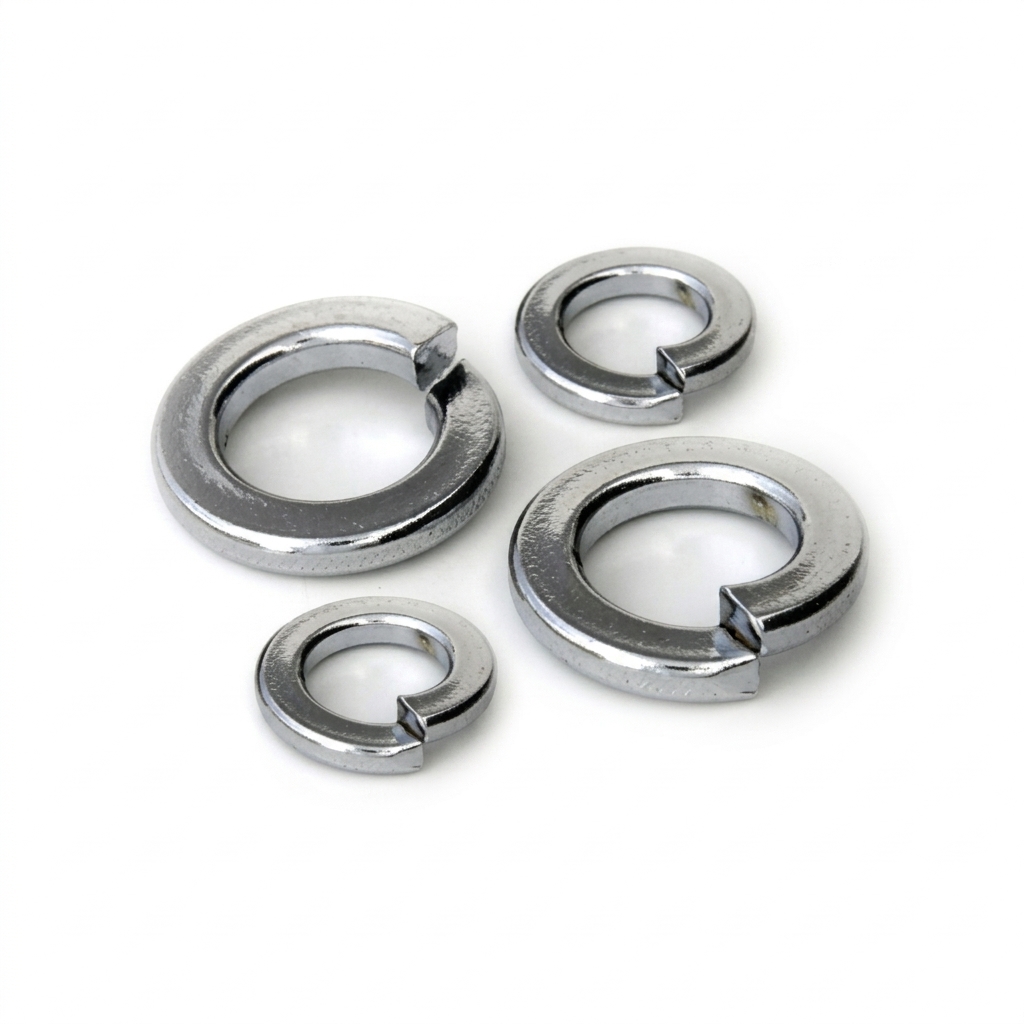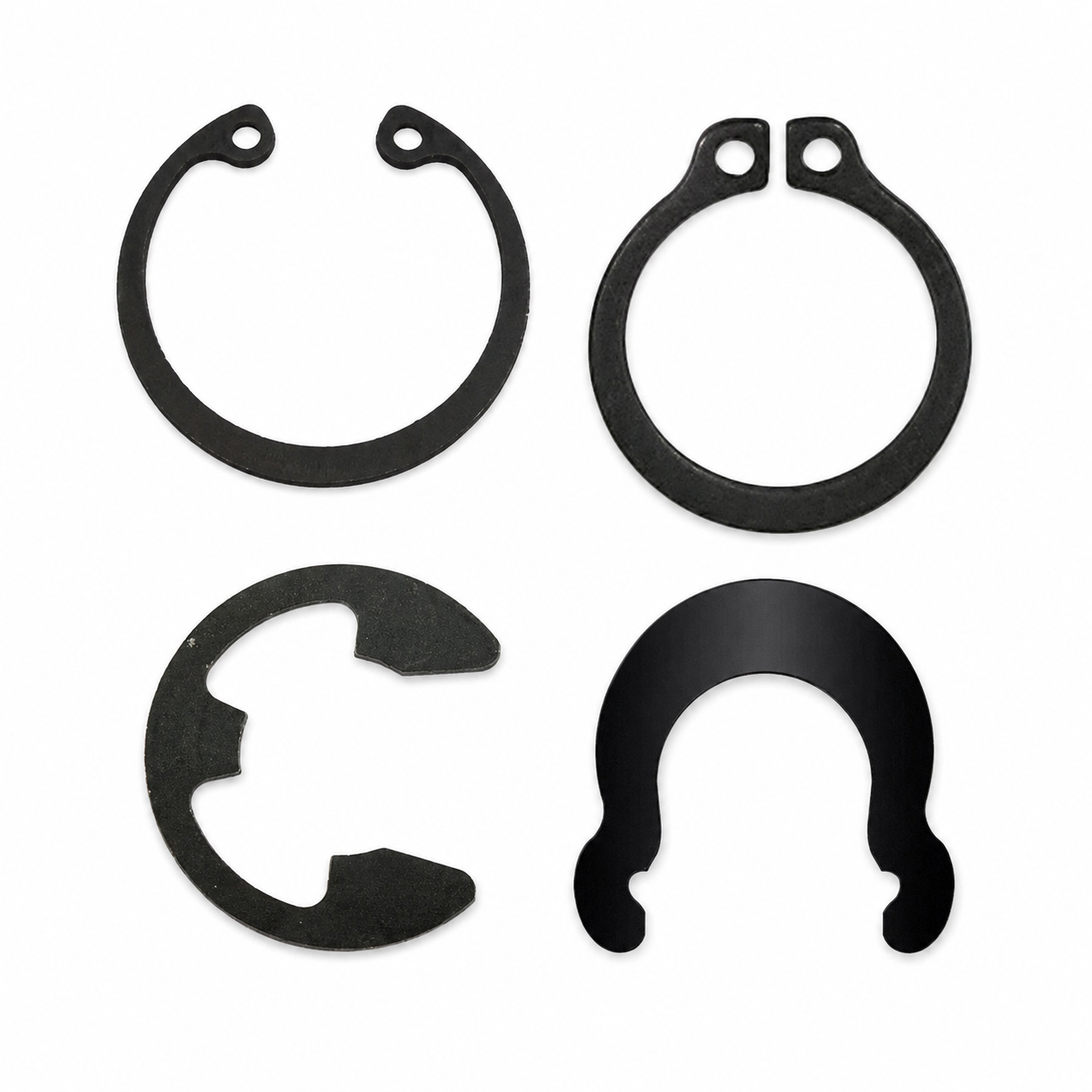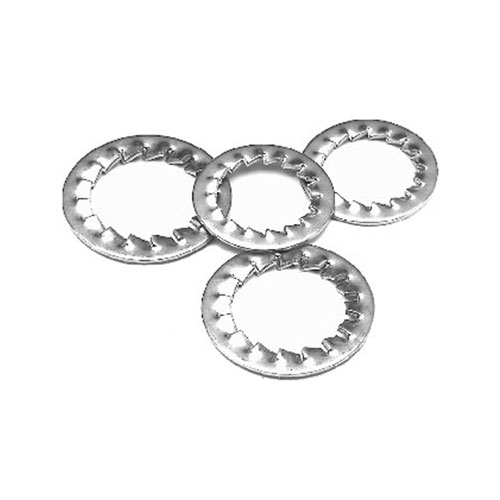

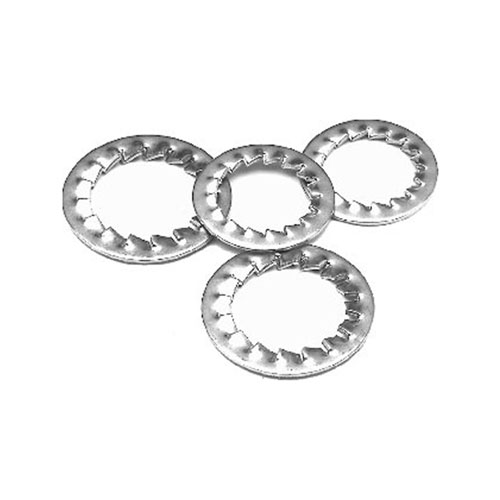
Introduction to Cable Gland Locking Washers
In mechanical assemblies requiring high loads in confined spaces, traditional helical coil springs are often inadequate. Disc spring washers, also known as Belleville springs or conical spring washers, are engineered to solve this challenge. Conforming to standards such as DIN 2093, these conical components provide exceptionally high spring force with very small deflections, ensuring constant tension and load compensation.
What Are Cable Gland Serrated Washers?
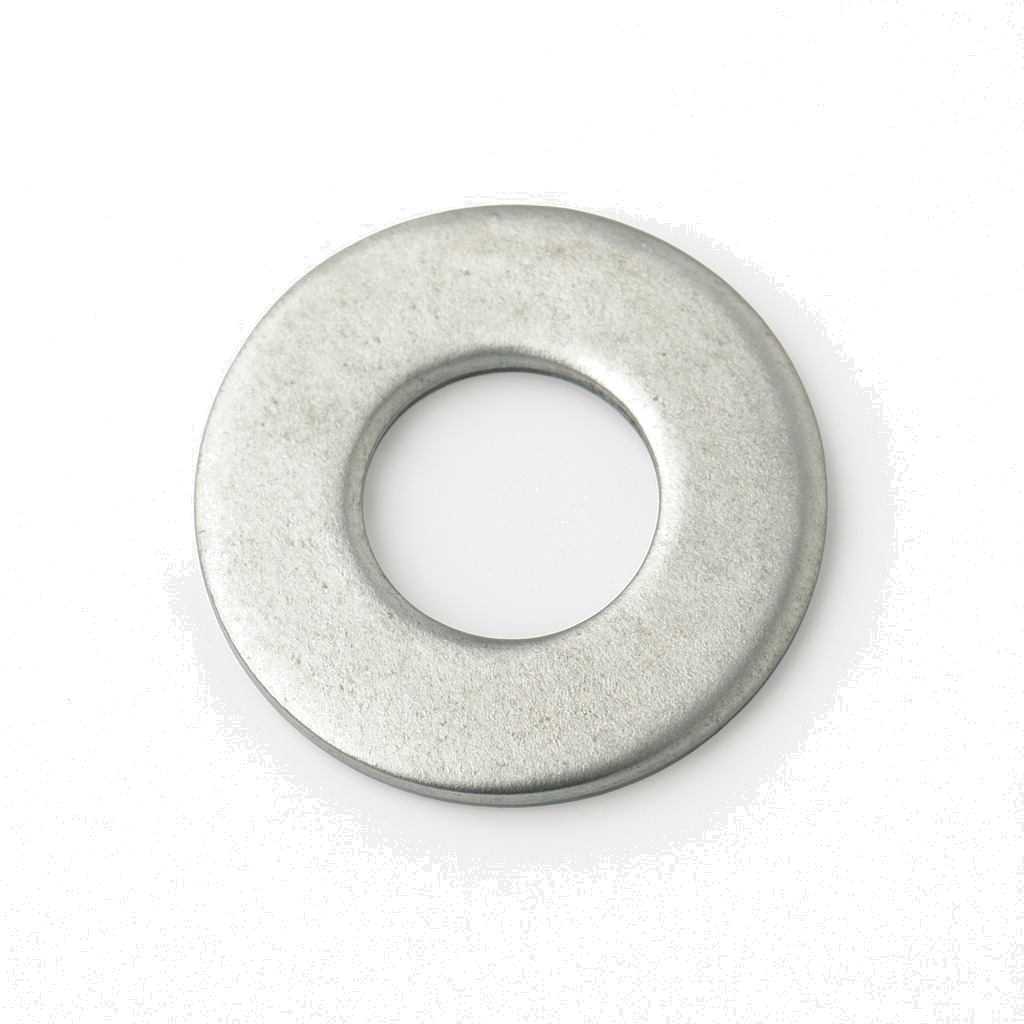
Disc spring washers are conically shaped annular discs that exhibit elastic properties when subjected to axial loads. Unlike standard flat washers, they store and release mechanical energy. When compressed, they flatten, exerting a continuous resistance force that maintains high joint pre-load and compensates for thermal expansion or mechanical set.
How Serrated Washers Ensure Electrical Bonding & Earthing
The load-deflection characteristics of disc springs are highly non-linear, determined by the ratio of the cone height to the material thickness. As load is applied, the disc deflects axially. This profile allows them to absorb substantial thermal expansion, shock, and vibrational energy while maintaining structural joint tension.
Material Selection (Brass, Stainless Steel A2/A4)
One of the greatest engineering advantages of Belleville washers is their ability to be stacked in different configurations to modify load and deflection characteristics:
- Series Stacking (Opposing Directions): Washers are stacked tip-to-tip. This increases deflection proportionally to the number of washers, while the spring load remains equal to a single washer.
- Parallel Stacking (Same Direction): Washers are nested together. This increases spring force proportionally to the number of washers, while the deflection remains equal to a single washer.
- Combined Stacking: Mixing series and parallel stacks allows custom progression of force and deflection.
Key Advantages of Cable Gland Serrated Lock Washers
Depending on the operating environment, raw material properties dictate service longevity. Standard options include:
- 50CrV4 (Spring Steel): Standard heat-treated alloy steel offering high fatigue resistance.
- Stainless Steel (SUS 301, SUS 316): Ideal for marine, coastal, and chemical environments to resist galvanic corrosion.
- Inconel / Exotic Alloys: Reserved for high-temperature applications (up to 600°C) or highly corrosive oil and gas processing.
| Parameter | Specification Details |
|---|---|
| Material | 50CrV4 (Alloy Spring Steel), Stainless Steel (301, 316), Inconel |
| Surface Finish | Phosphated, Trivalent Zinc Plating, Zinc Flake Coatings (no hydrogen embrittlement) |
| Hardness | 420 - 520 HV (Rockwell Hardness HRC 42 - 52) |
| Available Sizes | OD 8.0 mm to 250 mm (DIN 2093 Groups 1, 2, and 3) |
| Operating Temperature | -200°C to +600°C (Material and finish dependent) |
| Applications | Valves, Slip Clutches, Heavy Machinery, Brake Systems, Bolted Flanges |
| Industry Standards | Conforms to DIN 2093 and DIN 6796 (Heavy Duty Washers) |
Hazardous Area & Electrical Enclosure Applications
Installing disc spring washers provides clear operational benefits:
- High Load Capacity: Can support massive loads with minimal axial space.
- Versatile Tuning: Spring properties can be easily adjusted by altering the stacking arrangement.
- Fatigue Longevity: Engineered to withstand millions of compression cycles when used within designed deflections.
Installation Best Practices for Cable Glands
These specialized locking washers are critical across heavy B2B domains, ranging from high-pressure piping flange valves to heavy vehicle clutch assemblies.
Installation & Maintenance Practices
To achieve peak performance:
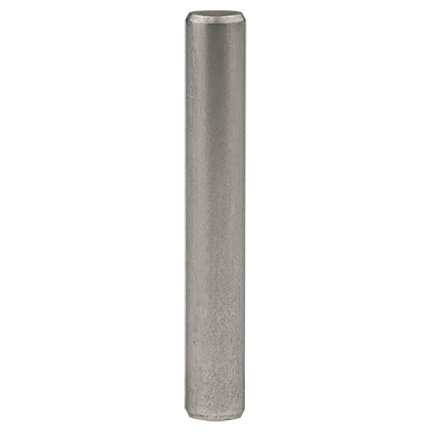
- Ensure guide rods or sleeves are used when stacking multiple washers to prevent lateral buckling.
- Do not compress disc springs beyond 75% of their free height to avoid progressive plastic deformation or premature fatigue cracks.
- Apply high-quality lubricant along the guide rods to minimize friction losses during deflection cycles.
Common Mistakes
Avoid these common field errors:
- Over-tightening to Flat: Compressing the washers fully flat removes the spring back recovery force and can cause immediate stress failure.
- Incorrect Stack Alignment: Allowing washers to slip off the center axis due to inadequate internal/external guidance.
Conclusion
Disc spring washers are invaluable when dealing with high axial loads in confined mechanical spaces. By understanding stacking behaviors and observing DIN 2093 limits, engineering teams can build reliable clamping joints that resist settling, thermal shocks, and vibration fatigue.